Incoming components
Pumps, thermoblocks, controllers, burr sets and seals are sampled and functionally checked on arrival. A supplier change requires a new first-article inspection.
About MENBRO TECH
MENBRO TECH works from Foshan's Shunde District, the cluster that supplies much of the world's home coffee equipment. Our operation center coordinates capsule, automatic bean-to-cup and espresso platform selection, packaging, documentation and export for distributors and private-label brands.
Platforms in the room
01 / The company
The catalogue starts with four commercial questions: whether the market buys capsules or fresh beans, how much counter space the retailer can give the category, which drink menu the channel actually sells, and which voltage and plug the destination requires. The models on this site are the shortlist that answers those questions.
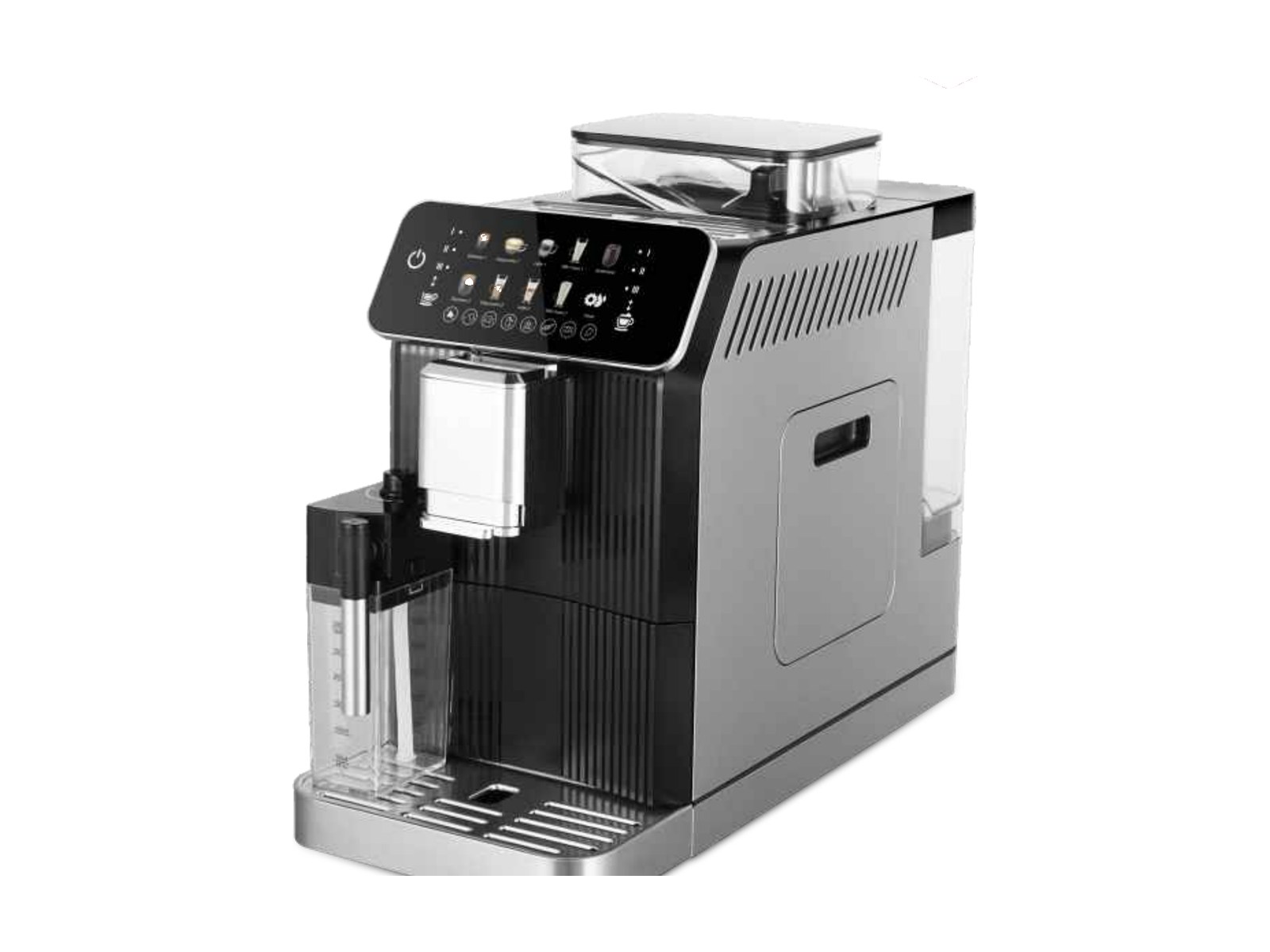
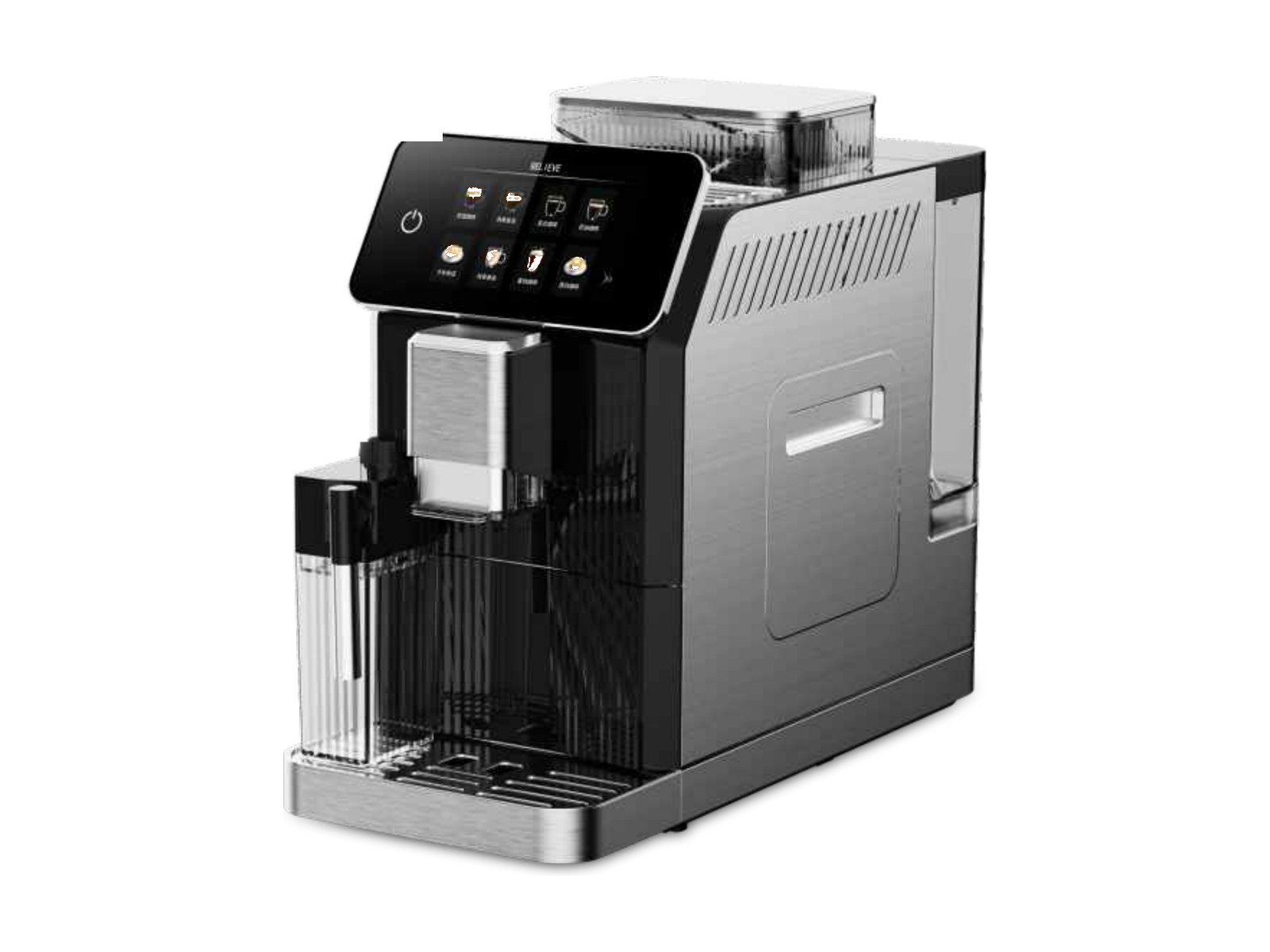
The automatic line is the bridge between capsule convenience and fresh-bean coffee. The AM7200 series grinds on demand and delivers espresso, Americano, cappuccino, latte or milk foam from a touchscreen, with 1.0–2.3 L tanks, 120–300 g bean hoppers and 300–500 ml milk systems across the range. It lets a distributor trade a capsule buyer up without asking them to learn a manual espresso workflow.
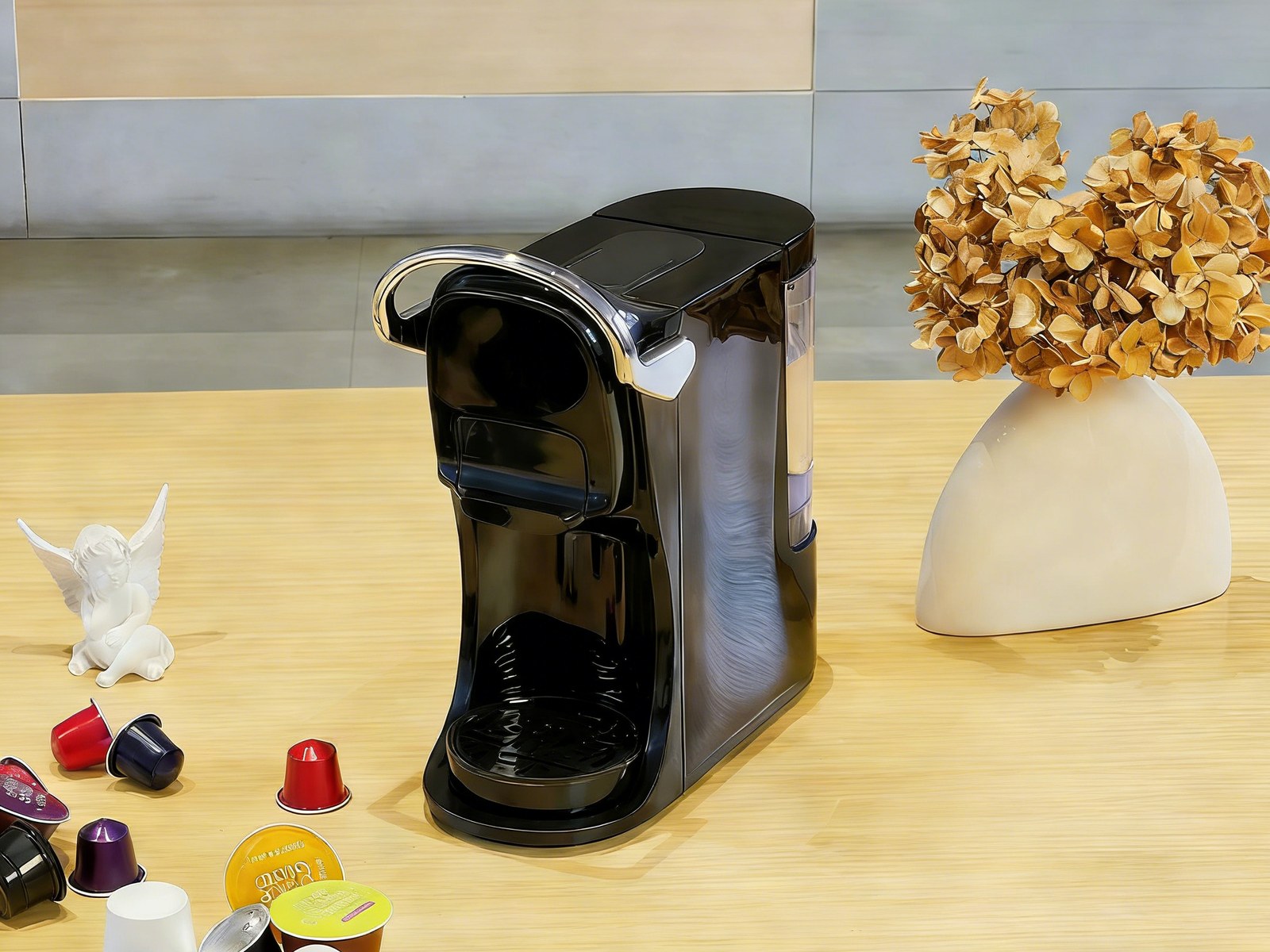
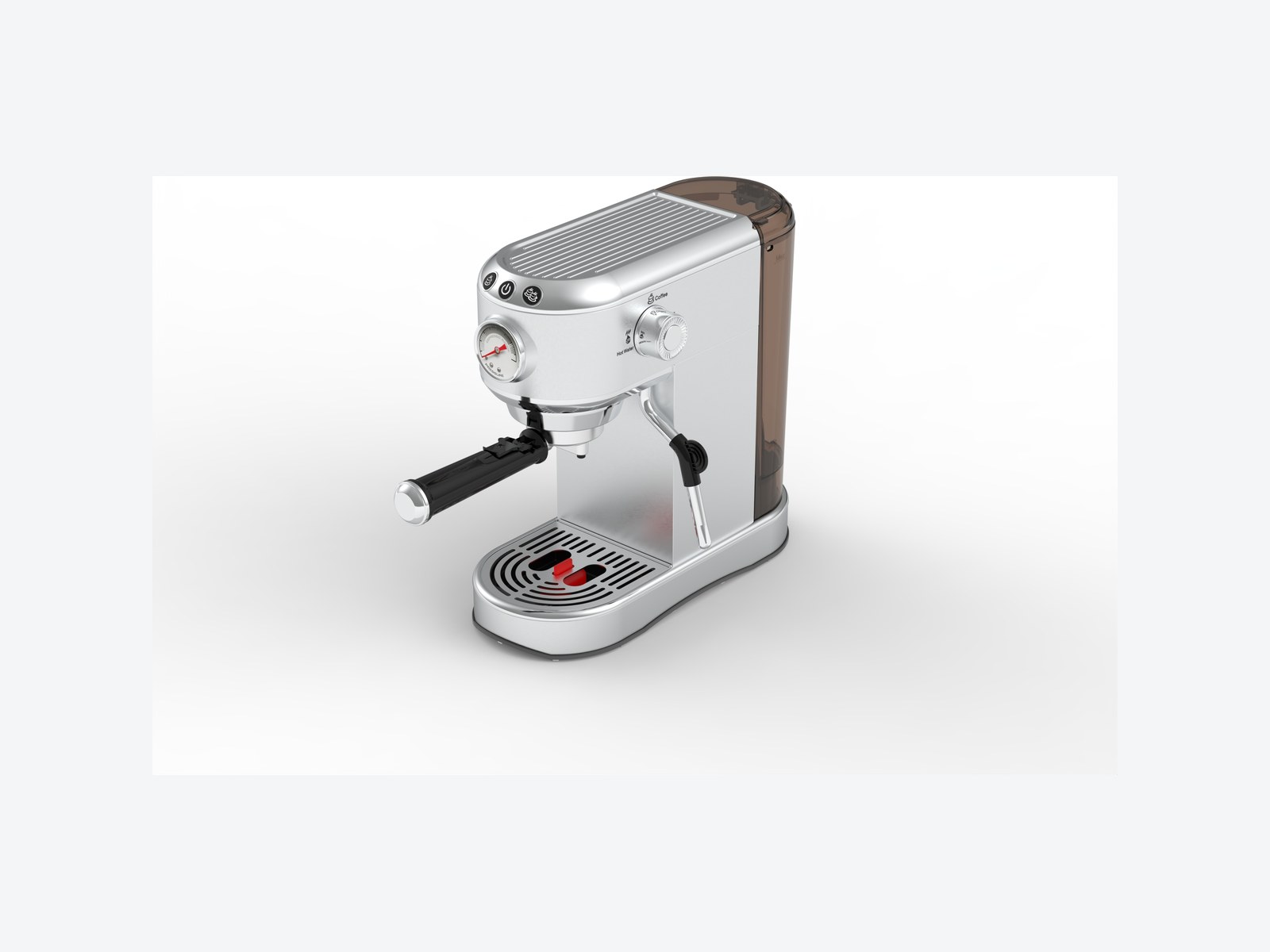
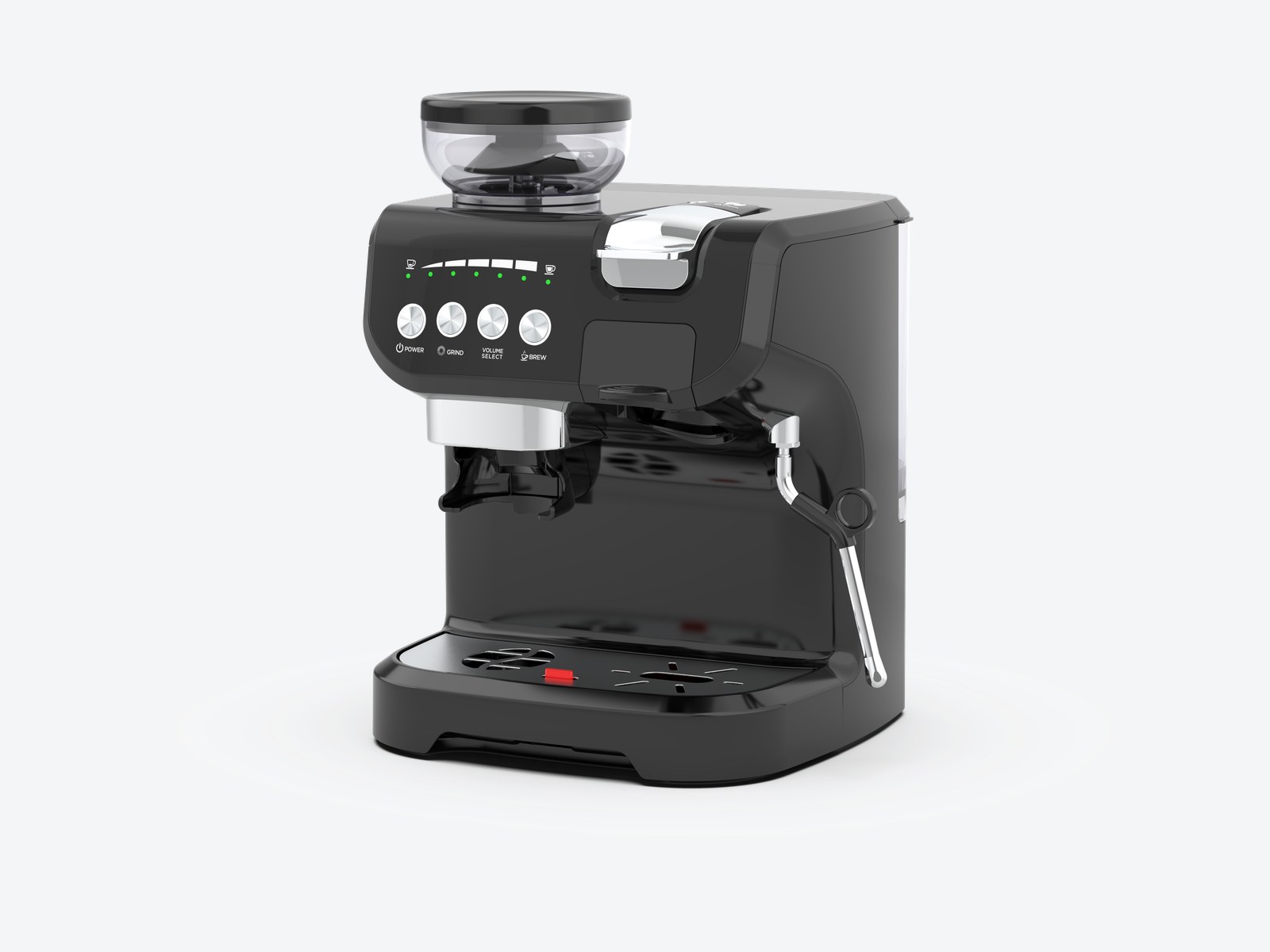
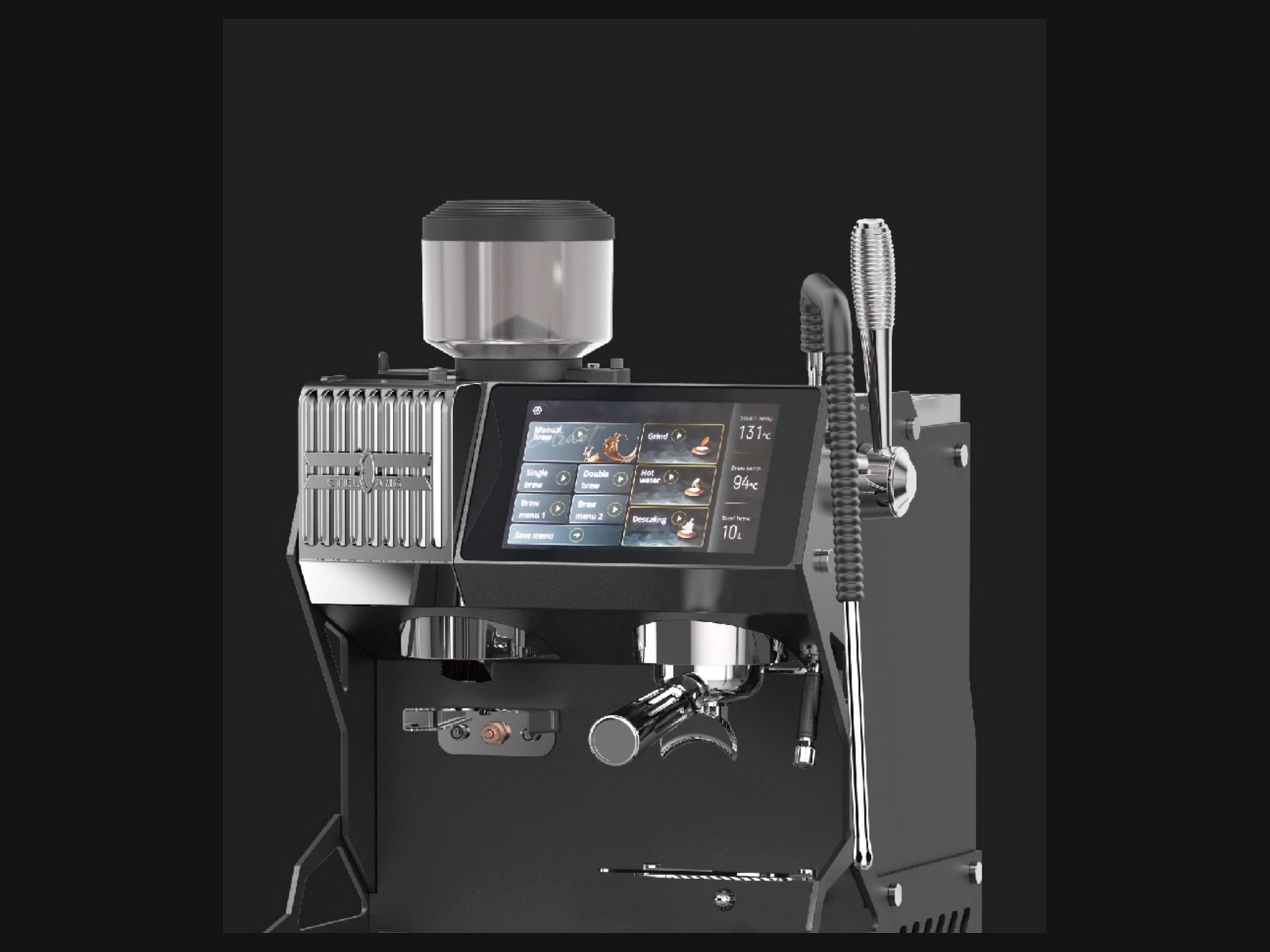
The capsule and espresso lines follow the same logic. A multi-capsule housing can be supplied with push buttons or a touch panel, different water-volume settings, an optional flow meter, a cold-drink setting or a milk tank. ST-517KB combines a multi-capsule brew head with a 150 W grinder; the ST-700 platform adds a 64 mm grinder and a 58 mm commercial group.
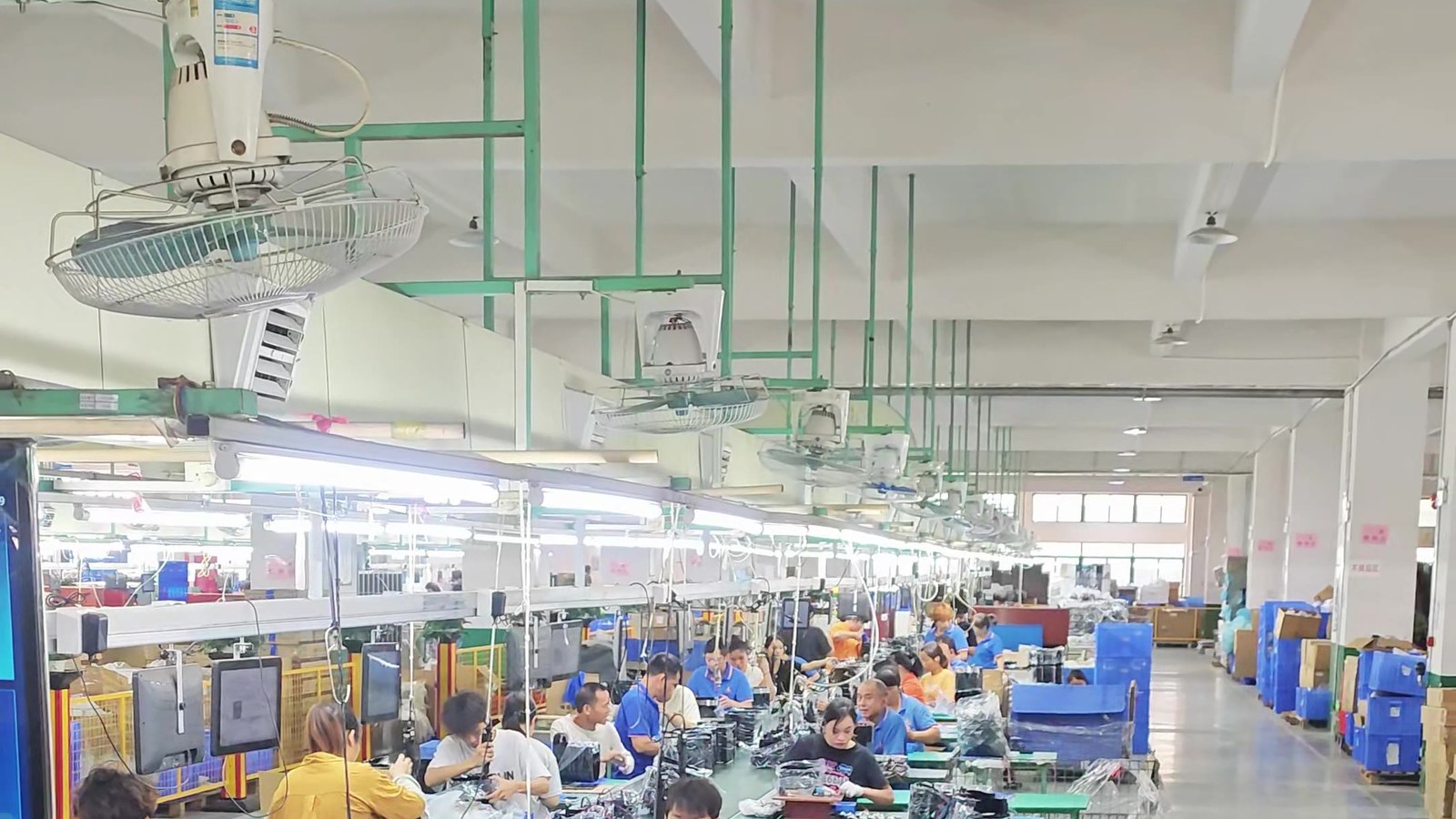
Manufacturing takes place in Shunde. The published profile of the production campus used for the catalogue platforms covers more than 30,000 m², over 300 employees and close to 60 injection-moulding machines, with an in-house R&D team. The legal manufacturer and current site documents are named in the quotation and compliance file — we do not describe a partner's factory as our own property.
02 / Manufacturing
The buyer deals with one commercial team, while the production route is broken into stages that can be inspected and documented.
| Stage | What is done | What it prevents |
|---|---|---|
| Moulding & components | Tooling, injection moulding and incoming inspection for housings, tanks and visible parts. | Mismatched parts and cosmetic drift between shipments. |
| Brew assembly | Brew head, pump, thermoblock, capsule piercer and grinder assembled against the approved specification. | Leaks, weak extraction and noisy grinders. |
| Function test | Pressure, flow, temperature, dose weight and steam performance checked on the production line. | Units that fail after the carton has been opened. |
| Packaging | Shelf carton, manual, barcode block and master carton checked against the approved artwork. | Damaged units and warehouse chargebacks. |
| Documentation | Model, voltage, plug and destination matched to the declaration and test-report set. | The wrong file attached to the shipment at customs. |
| Export release | Pallet photographs, inspection record and loading check sent before the container leaves. | Short shipments and disputes after departure. |
03 / Quality
Pumps, thermoblocks, controllers, burr sets and seals are sampled and functionally checked on arrival. A supplier change requires a new first-article inspection.
Every unit is checked for electrical safety, pressure, flow and function. Results are recorded against the batch and travel with the shipment.
The finished order is sampled against the approved specification, with a full function check on the first and last unit of each batch.
04 / Scope
Destination, channel, capsule format, voltage and target price are fixed in writing.
Two or three catalogue models are selected; the optional configurations are costed separately.
A sample is tested against the target drink, counter space and packaging brief.
Logo, colour, manual, barcode and carton dieline are approved before production.
The batch is assembled, tested, packed and checked against the approved specification.
The model-specific file, packing list and pallet photographs are released with the booking.
05 / Limits
A supplier qualification usually comes down to four questions. These are the answers, stated before you ask them.
The Shunde production campus is described as the manufacturing base used for the catalogue. Ownership, legal manufacturer and current site documents are confirmed in the quotation pack.
The company named on the product, declaration and invoice must match the build. If your compliance team needs the manufacturer's name before sampling, ask for it at the first meeting.
Compatibility with a capsule system is not a licence from its owner. The buyer must confirm the patent and trademark position for the destination market.
Voltage, plug, adapter set, packaging, manual language and carton quantity change the cost. A price without those inputs is not a quotation.
Operation visit
Factory and sample-room visits are by appointment. If you cannot travel, ask for a video walk-through of the line, the test area and the packing station.